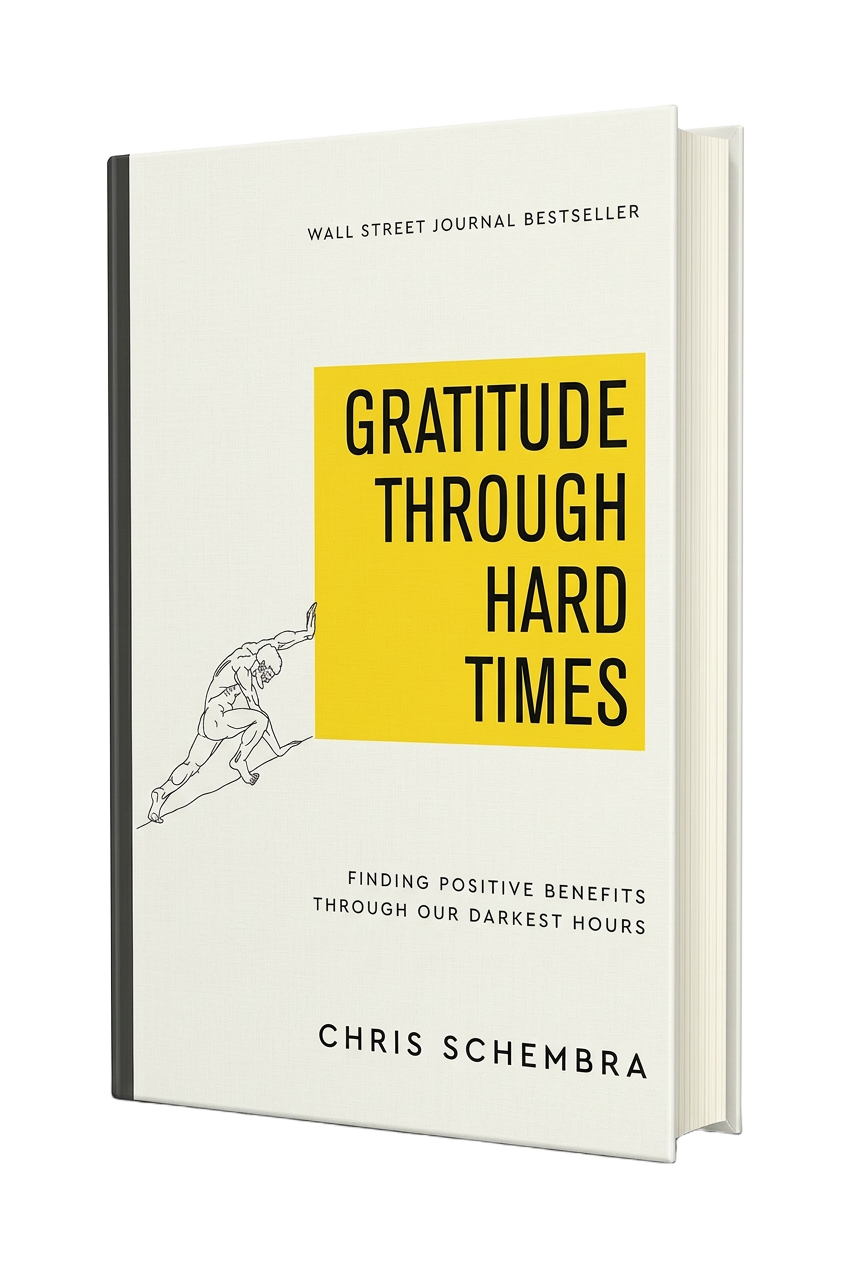
Gratitude Through Hard Times
Wall Street Journal #1 bestseller — Finding Positive Benefits Through Our Darkest Hours
Buy the book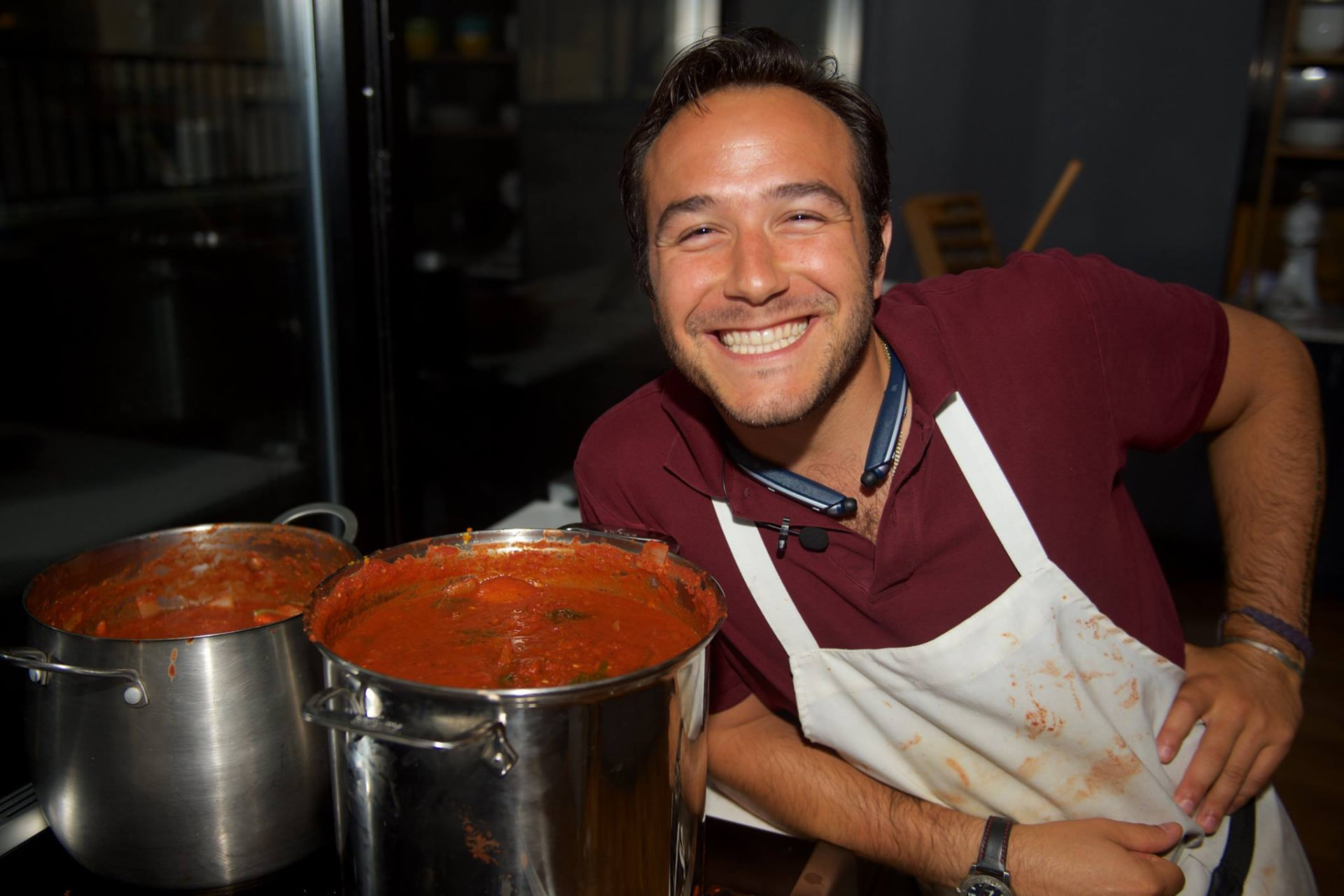
Wednesday, July 15th, 2015; Fifteen of my friends, who had never met each other were folding napkins in my apartment. I was about to ask them a question. I didn't know it would change my life, or that it would launch a decade's long journey helping organizations build the kind of human connection people feel, not just talk about.
Before there were dinner tables, there were stages.
I spent five years producing a one-man play about Fiorello La Guardia, taking it to audiences around the world. The production earned international acclaim. Theater taught me something I would carry into everything that came after: a room full of strangers can become something else when they have a story to share.
In 2015, I'd just finished producing a Broadway play in Rome. It was a high point professionally. And in Rome, people lingered. They passed plates. They told stories slowly. It wasn't about the food, even though the food was good. It was about what the food made possible.
Then I flew home to my 350-square-foot apartment in Manhattan. What I felt wasn't accomplishment. It was disconnection. It was loneliness. It was an anxiety of what tomorrow may bring.
I missed what I'd found at those tables in Italy. I wanted it. So I decided to try something.
I folded up my Murphy bed. I borrowed some chairs from my mentor, Papa Tony. On the last day of the month, when New York's streets are the best place to find furniture if you know where to look, I found a table. I cooked a red sauce, slightly spicy, my own recipe, and invited fifteen people into that little apartment.
On July 15, 2015, at 6:30 PM SHARP, 15 folks arrived to our home each carrying a bottle of wine. Guests folded napkins, set the table, and arranged chairs. People with their own egos, stories, and biases were already working together to create a shared meal. At exactly 7:47 PM, I threw the pasta in the pot.
We served each other. We sat shoulder to shoulder. We passed wine and bread and questions and laughter. Then, halfway through dinner, I asked everyone a simple question:
“If you could give credit or thanks to one person in your life, that you don't give enough credit or thanks to, who would that be? ”
Their answers came slowly. Quietly. Thoughtfully. Then with more emotion, more clarity, more courage. People shared things they hadn't said out loud before. Not because I'm a therapist. Not because the pasta was that good. Because the question had cost built into it. It required them to stop performing and start remembering. It asked them to sit in the friction of gratitude, the discomfort of admitting that someone matters to you more than you've told them.
We didn't just eat that night. We connected. And I knew I had to do it again.
So I did. Week after week. Same format. Same invitation. New faces. New stories. Friends invited friends. Strangers became family. We set a simple rule: First time you come, you come alone. Second time you come, you get to bring a friend. After that, you can email in and nominate someone to attend. By the end of that first year, I had hosted 54 dinners in 52 weeks, feeding 808 people, all for free.
I changed too. I stopped looking at my world asking what was wrong. I started asking what was right. What was possible. I began to savor things I used to rush past. I listened with a little more patience. And I felt something I hadn't felt in a long time: joy. Real joy.
More than a meal
Word spread. Companies started calling. Not because they wanted a dinner party, but because they wanted what was happening inside it: the walls coming down, the trust forming in real time, the people who'd worked together for years finally seeing each other.
The table traveled. Into boardrooms. Onto houseboats under the Tower Bridge in London. To a long table in the middle of Times Square, where strangers shared stories of gratitude as thousands streamed past. If we can create empathy and belonging in Times Square, we can create it anywhere.
From those dinners, the 7:47 Gratitude Experience became an evidence-based methodology across boardrooms, keynote stages, and leadership development. The stories opened the door; the science helped me understand what was happening inside the room.
I put what I was learning into words, too. Our first book, Gratitude and Pasta grew out of the table, and Gratitude Through Hard Times became a Wall Street Journal #1 bestseller. I've written about gratitude and connection as a columnist for Rolling Stone, Fast Company, and CNBC. Still, I think of myself as someone learning how to ask a better question, and how to listen to the answer.
In 2024, 2025, and 2026, that same invitation grew into Gratitude in the City. More than 4,000 digital screens and 2,131 LinkNYC towers across all five boroughs became a month-long call to gratitude and connection, reaching tens of millions of New Yorkers. Screens we usually pass without a second thought became a chance to stop and remember someone.
Today, we help leaders practice gratitude-based recognition, build empathy across teams, and create the trust that makes it easier to work together.
Looking back, the stages, the dinner tables, the books, and the screens don't feel like separate lives. They're different ways of doing the same thing: helping people notice one another. One question. One story. One connection at a time.
What started in 350 square feet is now the 7:47 Gratitude Experience™ — used by Google, Microsoft, IBM, Dell, Citi, and the U.S. Navy. I've worked with hundreds of companies, and I've learned that one great night isn't enough. Connection has to be practiced.
The story, the science, and the question, live in the room.
See the keynotesA 12-month program for organizations: coaches, social-skills development, and human connection experiences, so connection becomes a habit, not a one-off event.
Ask about the programFeatured in









Columnist for Rolling Stone and CNBC. Called “The Gratitude Guru” by USA Today.
Books
Wall Street Journal #1 bestseller — Finding Positive Benefits Through Our Darkest Hours
Buy the book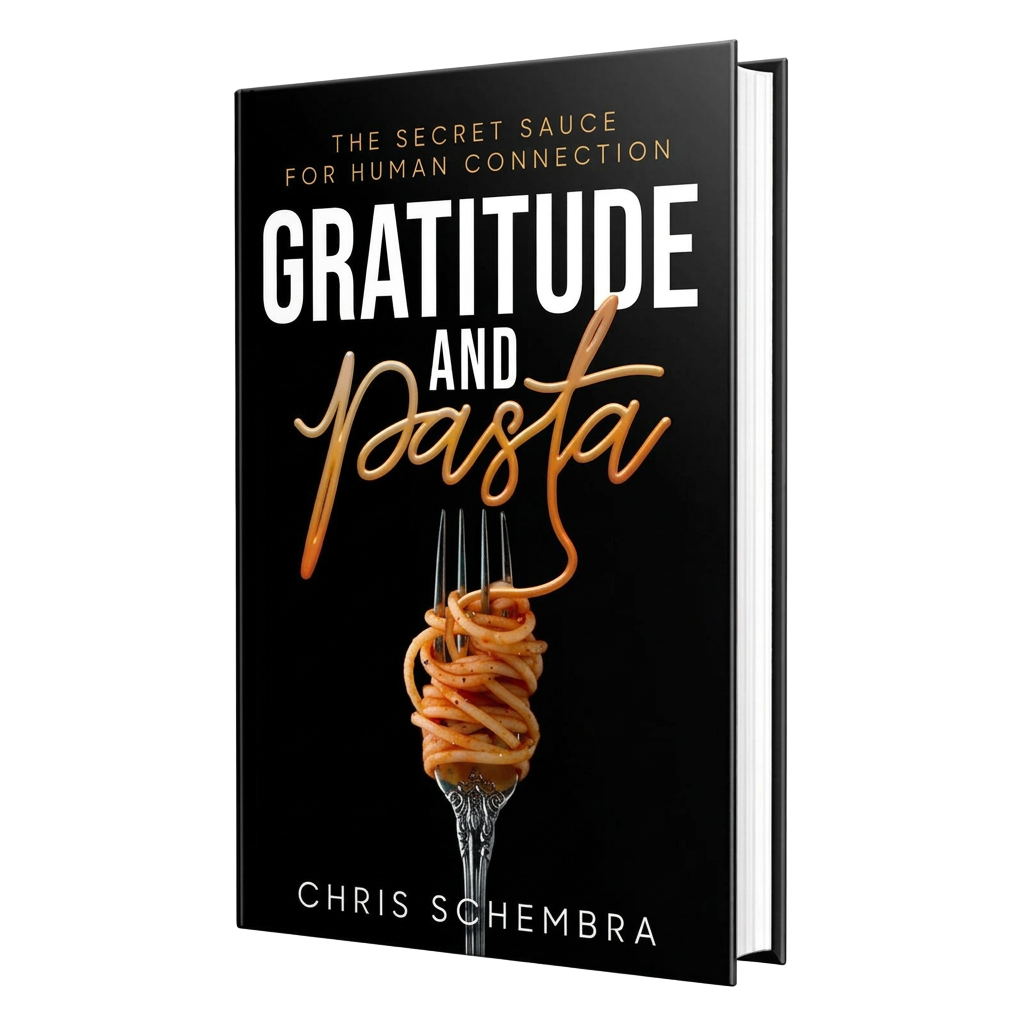
The Secret Sauce for Human Connection — Forbes' #2 Book of 2020 to Create Human Connections
Buy the bookThink of one person you don't give enough credit or thanks to. Then imagine what would happen if your whole team did the same, on the same night.
Bring 7:47 to your organization